— Best Time to Visit Patagonia updated March 2026.
When is the best time to visit Patagonia?
The best time to visit Patagonia is generally between November and March, when the Southern Hemisphere summer brings longer daylight hours, milder temperatures, and the best conditions for hiking, glacier excursions, and wildlife experiences.
However, the ideal time depends on the kind of experience you’re looking for. Patagonia changes dramatically throughout the year — from long summer hiking days to quiet autumn landscapes painted in deep reds and golds.
So before you start imagining long walks through Patagonia’s vast landscapes, glacier views, and evenings in remote lodges, planning a trip to this breathtaking region requires a little more than just a sense of wanderlust.
As local South America travel experts, we’ve spent years designing tailor-made journeys through Patagonia for discerning travelers. We’ve explored its remote corners, navigated its unpredictable weather, and learned firsthand that timing is everything.
In this guide, I walk you through the Patagonia seasons, month by month, so you can choose the best time for your trip.
Best time to visit Patagonia: October to April.
Peak season: December to February, when Patagonia experiences its warmest temperatures, the longest daylight hours, and the most reliable conditions for hiking, glacier excursions, and outdoor exploration.
Best shoulder season: March and April. These months bring quieter trails, softer light for photography, and forests turning shades of red and gold across the region.
Our favorite month? April — when Patagonia slows down after the summer crowds, landscapes glow with autumn colors, and the region feels more intimate and peaceful.

Planning a Patagonia journey?
Before confirming flights or choosing lodges, access our South America Travel Guide. It offers the broader context most travelers wish they had earlier — seasonality, destination flow, and the small decisions that shape a well-designed journey.
If Patagonia is on your mind, this guide helps you step back first — so the choices you make next (timing, pace, and where to base yourself) feel thoughtful and clear.
Planning Patagonia?
Get our South America Travel Guide — a quick overview of the seasons, regions, and planning decisions that shape a well-designed Patagonia journey.
Navigate this guide
Patagonia Seasons Explained
Patagonia Weather Month by Month
Best Time for Different Experiences
Wildlife Seasons
Planning Your Patagonia Trip
Patagonia FAQ
Choosing the Best Time for a Well-Designed Patagonia Journey
Overview of Patagonian Seasons
One of the first things to understand when planning a trip to Patagonia is that the seasons are opposite to those in the Northern Hemisphere. When it’s winter in the United States or Europe, it’s summer in Patagonia — bringing longer days and milder temperatures.
Each season reveals a different character of the region. Some months are ideal for classic hiking routes and long daylight hours, while others offer quieter landscapes, dramatic weather, or excellent wildlife opportunities.
For most travelers, the best time to visit Patagonia is between October and April, when trails, lodges, and excursions are fully operating. But the right timing ultimately depends on the kind of experience you’re looking for.
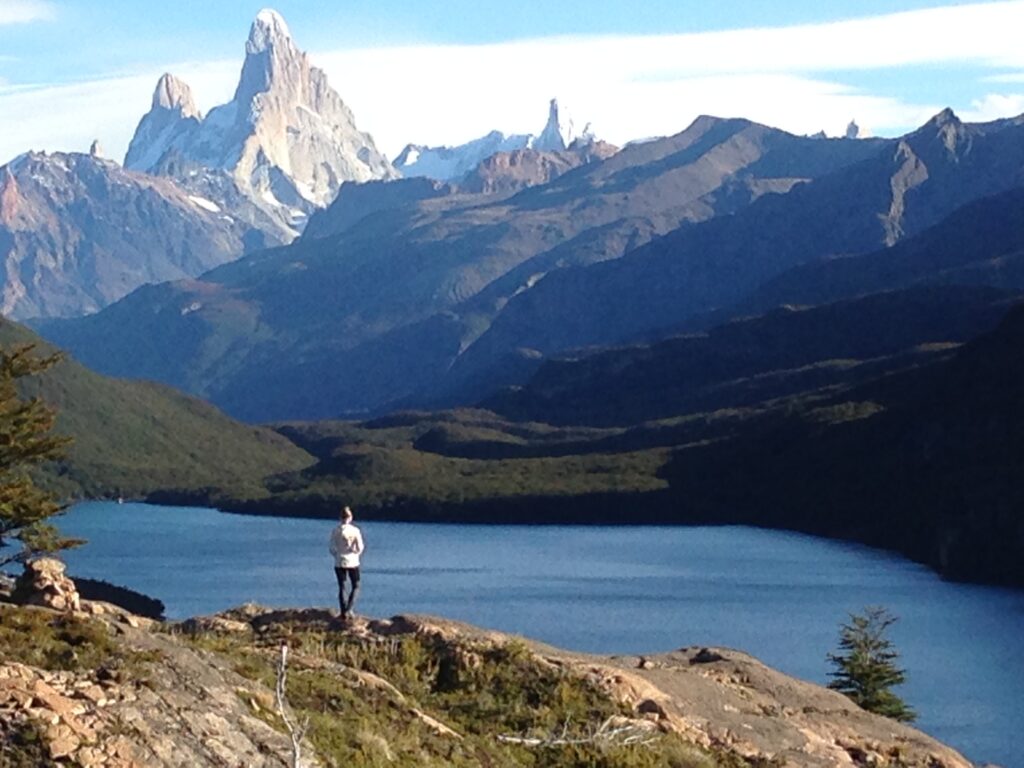
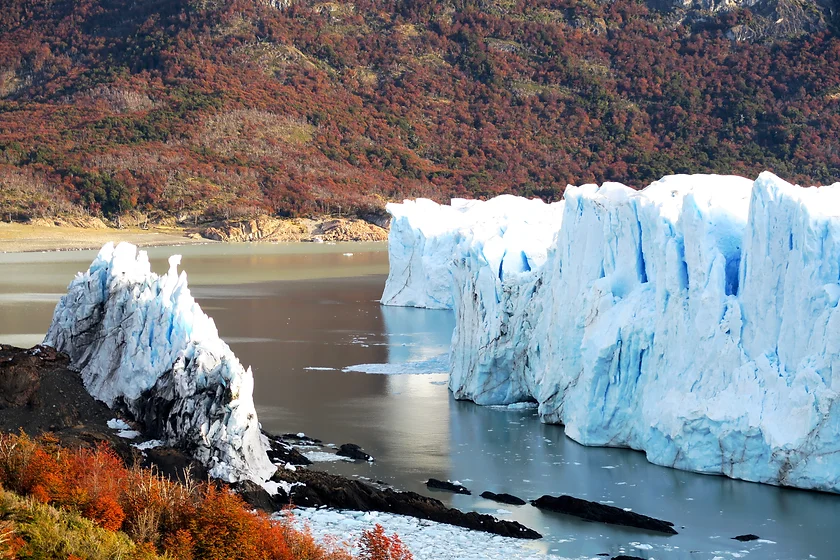
Want long days for hiking in Torres del Paine? Summer is ideal.
Dreaming of quieter landscapes and golden forests? Autumn might be perfect.
Interested in snow-covered mountains and winter solitude? Patagonia has that too — though it requires more planning.
In short, the “best time” isn’t the same for everyone. It’s about choosing the season that aligns with the experience you want.
Designing a Patagonia Journey
Understanding the best time to visit Patagonia is only one piece of the journey. What truly shapes the experience is how the trip is designed — the order of destinations, where you stay, and the rhythm between regions.
Patagonia is a vast region, and thoughtful routing makes the difference between a trip that feels expansive and one that feels rushed.
👉 Read: Custom Patagonia Tours — A Boutique Travel Design Approach
In this guide we explain how seasonality, routing, and lodge selection come together to create a seamless Patagonia itinerary.
Understanding Patagonia’s Seasons
Patagonia’s weather is notoriously unpredictable, even within a single season. You can experience all four seasons in one day sometimes.
Weather varies across Chilean and Argentine Patagonia, between the mountains and the steppe. There are almost always strong winds, and quick changes in temperature and precipitation are the norm. (Seriously, layers are your best friend. Always!).
Temperatures and how much it rains or snows can change a lot depending on where you are in Patagonia. The Andes Mountains create a “rain shadow,” so the west side gets more rain than the east. Coastal areas are usually milder than inland areas too. So, if you’re planning on visiting both the Chilean side and the Argentine Patagonia, be sure to check the specific weather for each region.
But even with the unpredictable weather, each season does have general characteristics.
Seasonal Overview: When to Visit Patagonia
| Season | What to Expect | Best For |
|---|---|---|
| Spring (September–November) |
Warmer temperatures, blooming wildflowers, and increasing wildlife activity. Fewer travelers than summer, though weather can still change quickly. | Nature lovers, wildlife viewing, whale watching, and quieter landscapes. |
| Summer (December–February) |
Longest daylight hours and the warmest temperatures of the year. Most parks, lodges, and activities are fully open, but it is also the busiest season. | Hiking, trekking, glacier excursions, and classic Patagonia itineraries. |
| Autumn (March–May) |
Fall colors transform Patagonia’s forests into shades of red, gold, and orange. Fewer travelers and comfortable temperatures for exploring. | Photography, scenic landscapes, and a quieter travel experience. |
| Winter (June–August) |
Snow-covered landscapes and a peaceful atmosphere. Some areas have limited access, and days are shorter, but the scenery becomes dramatic and serene. | Winter sports, snow landscapes, and travelers looking for a different side of Patagonia. |
Spring (September–November)
Best for: wildlife, whale watching, and quieter landscapes.
Summer (December–February)
Best for: hiking, trekking, glacier excursions, and classic itineraries.
Autumn (March–May)
Best for: photography, fall colors, and a quieter Patagonia experience.
Winter (June–August)
Best for: winter sports, snow landscapes, and a more peaceful atmosphere.
Spring In Patagonia (September–November)
Spring in Patagonia feels like the region waking up again. Wildflowers begin to appear, wildlife becomes more active, and the landscapes start to feel brighter and fresher after winter.
It is one of the most underrated times to visit. Trails are generally quieter than in summer, and the combination of longer days, blooming scenery, and active wildlife makes spring especially appealing for nature lovers.
Weather can still be unpredictable, but for travelers who like Patagonia with a little more space and a little less rush, spring can be a beautiful choice.
Weather and Natural Phenomena in Spring
Spring temperatures in Patagonia are a bit of a rollercoaster. You can experience anything from cool to mild, so layering is key! Generally, you can expect daytime temperatures to hover around 50°F (10°C). The best part? The days are getting longer, which means more precious time for exploring all those incredible national parks. You’ll probably run into some rain and wind – it’s Patagonia, after all – but it’s usually not as intense as the strong winds you get in the summer.
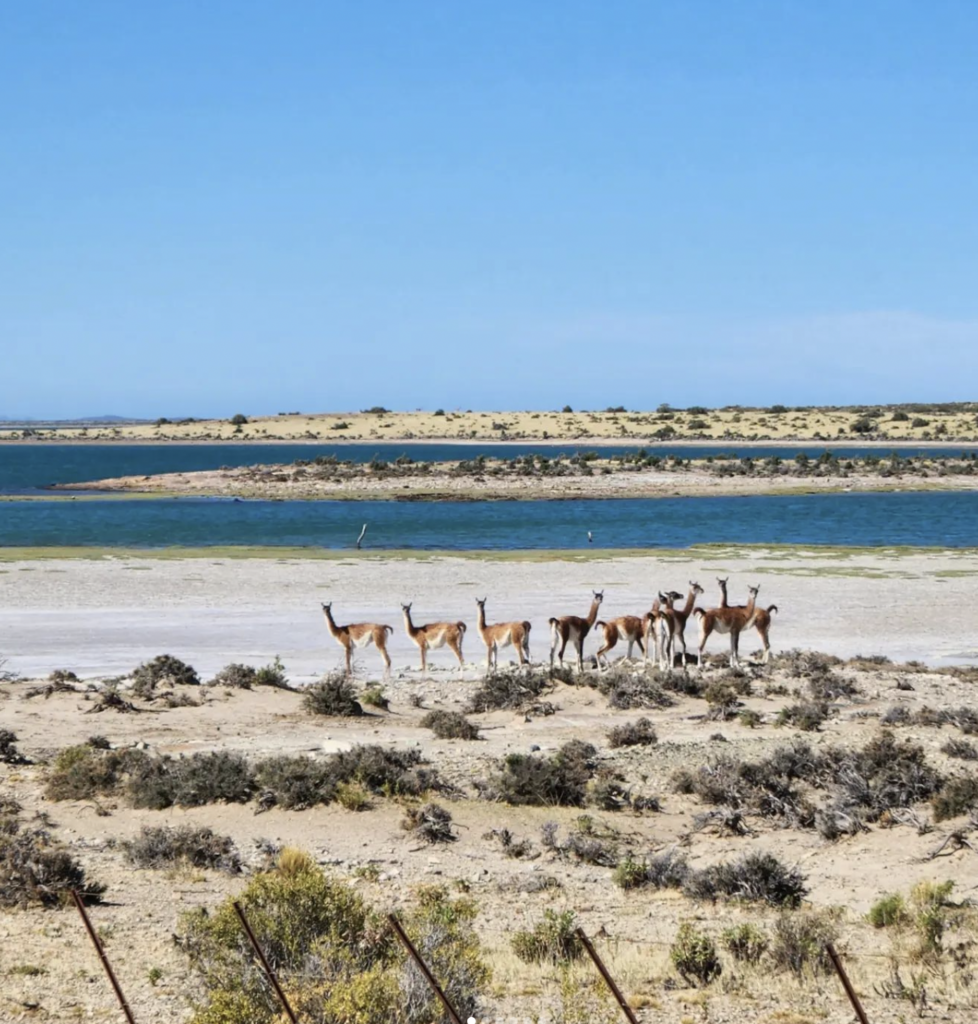
This is when Patagonia’s famous wildflowers really put on a show. It’s a riot of color! And as the weather warms up, wildlife starts becoming much more active. You’ll have a great chance of spotting guanacos grazing in the fields, maybe even a puma if you’re lucky, and all sorts of birds flitting about. Spring also marks the beginning of whale watching season, especially around Peninsula Valdes. You might even catch a glimpse of some Magellanic penguins waddling along the coast. It’s a paradise for wildlife enthusiasts and nature lovers!
Recommended Activities
Hiking: Lots of trails in Torres del Paine National Park and Los Glaciares National Park are open in spring, and the views with all the blooming flowers are absolutely incredible. Imagine hiking with a backdrop of snow-capped peaks and vibrant blooms! It’s a photographer’s dream.
Wildlife Watching: Spring is the time for whale watching, especially around Peninsula Valdes. Birdwatching is also fantastic, with all the migrating birds returning to the region after winter.
Pros and Cons of Spring Travel
Pros: Way fewer crowds than the summer months, the weather is generally pretty good (though still unpredictable weather is a possibility), wildflowers are everywhere you look, and wildlife viewing is at its best. Plus, you might find better deals on hotel rates than during peak tourist season.
Cons: Some trails or attractions, especially in the southern regions, might still be closed after the winter, and the weather can be a bit unpredictable, so you need to be prepared for anything. Some trails might also be a bit muddy from melting snow.
Summer in Patagonia (December–February)
Summer is Patagonia’s classic travel season. This is when most travelers visit, and for good reason. Days are long, temperatures are milder, and the region is at its most accessible for trekking, scenic drives, navigation, and lodge-based travel.
It is the best season for iconic hikes in places like Torres del Paine and El Chaltén, and it is also when many travelers combine both Chilean and Argentine Patagonia in one journey.
The trade-off is that summer is also the busiest and most expensive season, especially around Christmas, New Year, and January. Planning well in advance matters a lot at this time of year.
Peak Season Characteristics
Summer temperatures in Patagonia can reach up to a pleasant 70°F (21°C), but don’t let that fool you. That crazy Patagonian wind can make it feel much cooler, so layers are still essential even on the warmest days. Prepare for some serious gusts! You’ll get almost 20 hours of daylight in some places, which is absolutely wild and gives you so much time to explore. But… summer is also the windiest season. Seriously, be ready for some serious gusts that can whip right through you.
Because it’s the most popular time to visit, summer is also the most crowded and expensive. You have to book everything way in advance, especially if you’re traveling during the peak months of January and February.
Summer Activities and Destinations
- Hiking: All the trails in Torres del Paine National Park, Los Glaciares National Park, and beyond are usually open in the summer. The “W” trek in Torres del Paine and the Fitz Roy trek in El Chalten are super popular, offering stunning views and challenging terrain. El Chalten is a hiker’s paradise! You’ll find everything from easy day hikes to multi-day treks.
- Water-Based Activities: Since it’s warmer, summer is perfect for kayaking, rafting, and boat tours. The Lake District in Argentine Patagonia is a great place to do this stuff. Imagine paddling through crystal-clear waters with a backdrop of snow-capped peaks.
- Glacier Exploration: Summer is also a good time to check out Patagonia’s incredible glaciers. Take a boat tour to the Perito Moreno Glacier, a truly awe-inspiring sight, or go ice trekking on the Viedma Glacier for a more adventurous experience.
Planning Tips for Summer Visits
- Book Early: Book everything way ahead of time, especially if you’re traveling during the busiest part of summer.
- Escape the Crowds: If you want to avoid the biggest crowds, try going to some of the less popular areas or hiking trails. There are plenty of hidden gems to discover in both Chilean Patagonia and Argentine Patagonia. Visiting a little earlier in December or later in February (the shoulder seasons within summer) can also help you avoid the peak rush. Consider exploring some of the beaten track locations for a more authentic experience.
Autumn in Patagonia (March–May)
Autumn is when Patagonia becomes softer, quieter, and more atmospheric. Forests turn shades of red, orange, and gold, the air feels crisp, and many of the peak summer crowds begin to disappear.
For many travelers, this is the most rewarding time to visit. The landscapes are beautiful, the trails feel calmer, and the overall pace of the region becomes more peaceful.
March and April, in particular, are excellent for a more intimate experience of Patagonia.
Autumnal Weather and Scenery
Temperatures start to drop in autumn, making it feel crisp and refreshing. You can usually expect daytime temperatures around 45°F (7°C), perfect for hiking. The days are getting shorter, but there’s still plenty of daylight to explore. The real star of the show in autumn is the foliage. The lenga trees, a type of beech native to Patagonia, turn all shades of red, orange, and yellow, creating a stunning spectacle. It’s an absolute feast for the eyes and a must-see for any nature lover.
Autumn-specific Activities
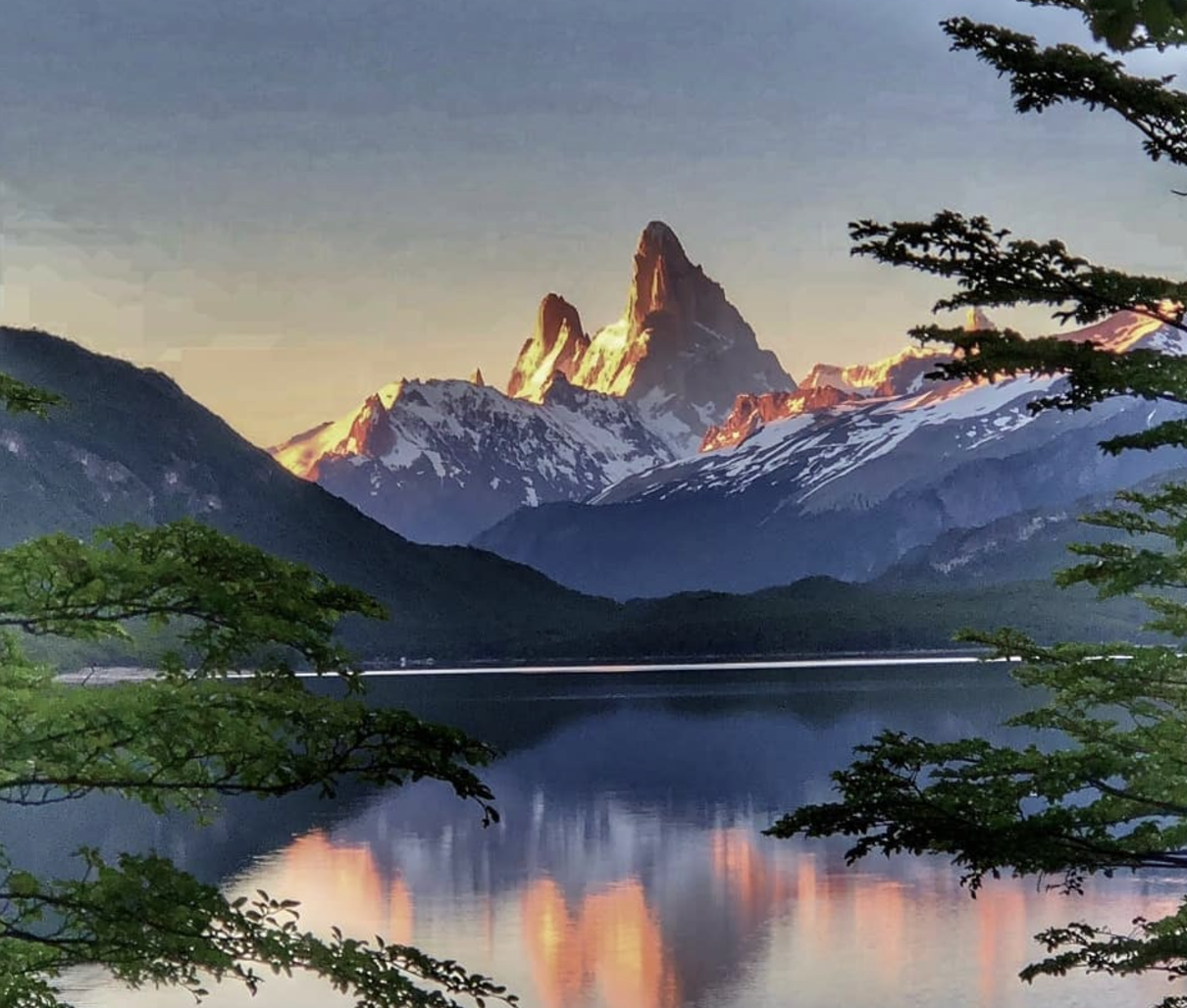
- Autumn Hikes and Treks: The crisp air and the explosion of fall colors make autumn the perfect time for hiking in Patagonia. Imagine hiking through forests ablaze with color. The trails around El Chalten, with its iconic views of Fitz Roy, and Tierra del Fuego National Park, the end of the world, are especially beautiful during this season.
- Wildlife Viewing: Autumn is a good time to see guanacos migrating to lower altitudes as the weather gets colder. Birdwatching is also excellent, since many migratory birds are still around before they head north for the winter.
Autumn is also a beautiful season for walking and photography. You can read more about hiking in Patagonia in autumn and why many travelers prefer this quieter season.
Winter in Patagonia(June–August)
When thinking When is the best time of year to visit Patagonia, is Winter on the radar ? Well, you can also visit Patagonia in Winter. It’s a snow lover’s dream! Picture this: a world transformed into a pristine white wonderland, with snow-covered mountains, frozen lakes, and a peaceful hush that descends over the landscape. It’s a quieter time to visit, and the landscapes are absolutely stunning. If you’re looking for a unique and magical experience, winter in Patagonia might just be the perfect choice.
Winter Climate and Conditions
Winter temperatures in Patagonia can plummet well below freezing, and it’s usually around 30°F (-1°C) during the day. So, yeah, it’s cold! Expect lots of snow, especially in the higher elevations and southern regions. Be prepared for cold nights and colder temperatures. The days are short, so you won’t have as much daylight for activities as you would in the summer. Think cozy evenings by the fire after a day of exploring.
Winter Sports and Activities
- Skiing and Snowboarding: Several ski resorts in and around Patagonia, like the popular Cerro Catedral near Bariloche, offer opportunities for skiing and snowboarding.
- Winter Hiking: Some trails are still open for winter hiking, but this is only for experienced hikers who are well-equipped and knowledgeable about winter conditions. Hiking in the snow can be truly magical, though, offering a unique perspective on the Patagonian landscape.
Considerations for Winter Visits
- Limited Access: One of the most important things to consider about visiting Patagonia in winter is that some roads and areas, particularly in the southern regions, are closed due to heavy snowfall. This can limit your itinerary and make it more difficult to get around.
- Winter Gear: This is non-negotiable: you have to pack for cold weather and snow. Layers are absolutely essential. Think thermal underwear, fleece jackets, waterproof outer layers, warm hats, gloves, and sturdy boots. Don’t underestimate the importance of good quality winter gear. It can make or break your trip.
Planning a Trip to Argentina?
Argentina is a country of contrasts — distances, landscapes, and rhythms change dramatically from region to region. Understanding a few key things early on can make the entire journey smoother and far more rewarding.
- how to think about distances and pacing
- when different regions are at their best
- common planning misconceptions travelers have
Impact of Seasons on Travel
The season you choose will really impact your trip. Summer is when everything is open, and you can do pretty much anything you want, but it’s also the most crowded and expensive. Spring and autumn (the “shoulder seasons”) are a good middle ground – nicer weather, fewer people, and maybe better prices. Winter is amazing, but you’ll need to do some extra planning because some places are closed, and it’s definitely colder.
In short, the best month to visit Patagonia depends on your priorities!
Best Time to Visit Patagonia by Traveler Type
| Traveler Type | Best Season | Why |
|---|---|---|
| Thrill-seekers & hikers | Summer (Dec–Feb) | All major trails are open and daylight hours are longest. |
| Wildlife enthusiasts | Spring & early summer | Best months for whale watching and visiting penguin colonies. |
| Budget travelers | Spring & autumn | Shoulder seasons often bring lower prices and fewer travelers. |
| Photographers | Autumn (Mar–Apr) | Forests turn vibrant red and gold with beautiful soft light. |
| Winter sports lovers | Winter (Jun–Aug) | Ideal season for skiing and snow-based activities. |
| Travelers seeking tranquility | Autumn & winter | Quieter landscapes and far fewer visitors. |
Thrill-seekers & hikers
Best season: Summer (Dec–Feb)
Wildlife enthusiasts
Best season: Spring & early summer
Budget travelers
Best season: Spring & autumn
Photographers
Best season: Autumn (Mar–Apr)
Winter sports lovers
Best season: Winter (Jun–Aug)
Travelers seeking tranquility
Best season: Autumn & winter
If you want the widest range of activities and don’t mind a livelier atmosphere, Patagonia’s summer season is a fantastic time to visit. With long daylight hours and warmer temperatures, it’s perfect for exploring iconic landscapes like Torres del Paine and El Chaltén. But peak season also means more travelers on the trails. The good news? Patagonia has some hidden gems where you can still experience Patagonia’s breathtaking beauty away from the crowds- As local experts, we can help you find them!
For a more tranquil and immersive experience, we highly recommend visiting in autumn—our favorite season. The landscapes transform into a painter’s dream, with golden forests and fiery red lenga trees set against snow-dusted peaks. Wildlife is more active, and the trails are quieter, allowing for a deeper connection with nature. This is also the ideal time for photography, with softer light and crisp air enhancing every breathtaking view.
Winter offers its own magic, especially for those who love dramatic, snow-covered landscapes and winter sports in Bariloche or Ushuaia.
But no matter when you choose to visit, Patagonia requires thoughtful planning. Accommodations and experiences book up well in advance, especially in peak season, so securing your trip early ensures you get the best guides, lodges, and seamless experiences. And one thing is constant year-round—Patagonia’s weather is unpredictable, so always pack for all seasons!
Many travelers realize at this point that designing Patagonia well is less about choosing hotels and destinations, and more about sequencing the journey correctly. If you’d like help thinking through seasonality, routing, and lodge rhythm, schedule a Patagonia planning session with Clara and Maria .
Patagonia Weather Month by Month
Choosing the right time of year to visit Patagonia can feel confusing at first. Weather patterns shift quickly, and the experience can be very different depending on the month you travel.
Looking at Patagonia month by month helps make things clearer. Some months are better for trekking, others for wildlife, and others for travelers who want fewer crowds and quieter landscapes.
Monthly Overview
This overview will give you a realistic idea of what to expect throughout the year so you can match the season to the kind of trip you want. But remember that the weather can be unpredictable, so it’s always best to be prepared for anything, no matter what time of year you visit.
September in Patagonia
September marks the beginning of spring in Patagonia. After the quiet winter months, the region slowly starts waking up again.
Wildflowers begin to appear across the landscapes, wildlife activity increases, and days gradually become longer. Trails are still relatively quiet, which can make this a lovely month for travelers who enjoy a calmer atmosphere.
Weather can still be unpredictable, but September is a promising start to the spring season.
October in Patagonia
October is when Patagonia really begins to feel alive again. Spring landscapes become more vibrant, temperatures start to rise, and the region begins preparing for the main travel season.
It is a great month for travelers who want beautiful scenery without the peak summer crowds. Wildlife becomes more active, and hiking conditions continue improving as the season progresses.
November in Patagonia
November is one of Patagonia’s most enjoyable months. Spring is in full swing, days are longer, and conditions are increasingly favorable for outdoor exploration.
It is a wonderful time for hiking, photography, and wildlife watching. Landscapes feel fresh and lively, and many travelers appreciate the balance between good weather and manageable visitor numbers.
December in Patagonia
December marks the beginning of summer in Patagonia. Long daylight hours allow for full days of exploration, making it an excellent time for trekking, kayaking, and glacier excursions.
Summer has officially arrived! Long days mean maximum daylight hours for exploring. It’s the ideal time for hiking, kayaking, and being on the water. Early summer offers a sweet spot before the biggest crowds arrive.
If you’re considering traveling during the holidays, you may want to read our guide to Patagonia in December , one of the most popular months to visit the region.
January in Patagonia
January is peak summer in Patagonia. Temperatures are generally at their warmest, daylight hours stretch late into the evening, and nearly all tourism services are operating.
This is the busiest month of the year, especially in popular areas like Torres del Paine and El Chaltén. For travelers who want maximum access to activities and trails, January works very well, but it requires early planning.
February in Patagonia
February still feels like summer, but the intense peak of January begins to soften slightly. Trails remain open, weather is generally good for hiking, and visitor numbers often feel a bit more manageable.
It is an excellent month for travelers who want classic Patagonia experiences with slightly fewer crowds.
March in Patagonia
March signals the transition into autumn. Temperatures begin to cool slightly, visitor numbers drop, and Patagonia starts shifting into a calmer rhythm.
This can be a wonderful month for travelers who prefer quieter trails and a more relaxed pace while still enjoying good conditions for outdoor activities.
April in Patagonia
April is one of the most beautiful months in Patagonia. Forests turn brilliant shades of red, orange, and gold as fall colors spread across the landscape.
The atmosphere becomes quieter and more contemplative. For photographers and travelers who enjoy dramatic scenery with fewer crowds, April can be one of the most rewarding months to visit.
May in Patagonia
May marks the late autumn season in Patagonia. Temperatures continue dropping, and visitor numbers decrease significantly.
Some lodges and services begin closing for the winter season, but the landscapes can still be beautiful and peaceful for travelers who do not mind cooler conditions.
June in Patagonia
June marks the arrival of winter in Patagonia. Snow begins covering higher elevations, and days become noticeably shorter.
Travel becomes more limited in some regions, but winter sports begin in areas like Bariloche, offering a different type of Patagonian adventure.
July in Patagonia
July sits in the middle of Patagonia’s winter. Temperatures are cold, and snowfall is common in mountain regions.
Some national park services may be limited, but winter landscapes create a dramatic and quiet atmosphere for travelers interested in snow-covered scenery.
August in Patagonia
August continues the winter season in Patagonia. While conditions remain cold, some areas begin slowly preparing for the return of spring.
It is still a good time for winter sports and for travelers who enjoy experiencing Patagonia in its quieter, snow-covered form.
If you’d like to see how these seasons translate into real itineraries, explore our Sample Patagonia journeys and see how different landscapes connect across the region.
Best Time to Visit Patagonia for Different Experiences
The best time to visit Patagonia often depends on what kind of experience you want. Some travelers come primarily for hiking, others for wildlife encounters, photography, or simply to enjoy Patagonia’s landscapes at a slower pace.
Because the region changes dramatically throughout the year, certain seasons are better suited for specific activities. Understanding these differences can help you plan a trip that truly matches your travel style.
Best Time for Hiking in Patagonia
The best months for hiking in Patagonia are typically December through February, during the Southern Hemisphere summer.
During these months, most trails are fully accessible, temperatures are milder, and daylight hours are exceptionally long. This makes it easier to explore iconic trekking destinations such as Torres del Paine National Park in Chile and El Chaltén in Argentine Patagonia.
Summer also allows for longer hiking days and greater flexibility when planning multi-day treks or more ambitious routes.
Best Time for Wildlife in Patagonia
Patagonia is home to a remarkable variety of wildlife, and certain seasons offer better opportunities for observing animals in their natural habitats.
If wildlife is high on your list, our guide on where to see penguins in Patagonia explains the best locations and months to visit.
Spring (September through November) is particularly good for wildlife watching. During this time many species become more active after winter, and coastal regions begin welcoming marine life such as whales and penguins.
Peninsula Valdés on the Atlantic coast is especially famous for whale watching, while birdlife and marine wildlife thrive along many Patagonian shorelines.
Best Time for Photography in Patagonia
For photographers, Patagonia offers stunning opportunities throughout the year, but autumn (March and April) is often considered one of the most rewarding seasons.
During this time the lenga forests turn vibrant shades of red, orange, and gold, creating dramatic contrasts against snow-capped peaks and turquoise lakes. The softer light and quieter landscapes also allow for more peaceful photography experiences.
Best Time to Avoid Crowds
If you prefer a quieter experience, the best time to visit Patagonia is usually during the shoulder seasons, especially March, April, October, and November.
These months often provide an excellent balance between good weather, beautiful landscapes, and fewer travelers on the trails. Lodges and guides may also be more available compared to the busiest summer months.
For many travelers, these quieter seasons allow for a more immersive connection with Patagonia’s landscapes and atmosphere.
Patagonia is Not Difficult to Visit — but it is Easy to Design Poorly.
Most travelers begin planning with destinations: Torres del Paine, El Calafate, El Chaltén. But what truly shapes the experience is how the journey is designed — timing, routing, pacing, and where you stay.
One way to begin understanding the region is simply by seeing how a journey can unfold across it — how landscapes connect and how the rhythm of the trip shapes the experience.
Explore our Sample Patagonia Journeys (2–3 weeks)Patagonia Wildlife Seasons
Beyond its dramatic landscapes, Patagonia is also one of South America’s most fascinating regions for wildlife encounters. From whales and penguins along the Atlantic coast to condors soaring above the Andes, the region offers extraordinary opportunities to observe animals in their natural habitats.
The timing of your trip can influence which wildlife experiences are possible. Many species follow seasonal migration and breeding patterns, which means certain months offer better viewing opportunities than others.
Understanding these wildlife seasons can help travelers decide when to visit Patagonia if animals and nature encounters are a priority.
Whale Watching Season in Patagonia
One of Patagonia’s most spectacular wildlife experiences is whale watching along the Atlantic coast of Argentina, particularly around Península Valdés.
Southern right whales migrate to these protected waters each year to breed and raise their calves. The whale watching season typically runs from June through December, with peak viewing often between August and October.
During this time visitors may witness whales breaching, tail slapping, and even swimming close to the boats. It is one of the most memorable wildlife experiences Patagonia has to offer.
Penguin Season in Patagonia
Patagonia is also home to large colonies of Magellanic penguins, which arrive along the coast each year to nest and raise their chicks.
The penguin season generally runs from September through February. During these months visitors can see thousands of penguins along the beaches and cliffs of coastal Patagonia.
Some of the best places to observe them include Punta Tombo and the areas around Península Valdés in Argentina, as well as Magdalena Island near Punta Arenas in Chile.
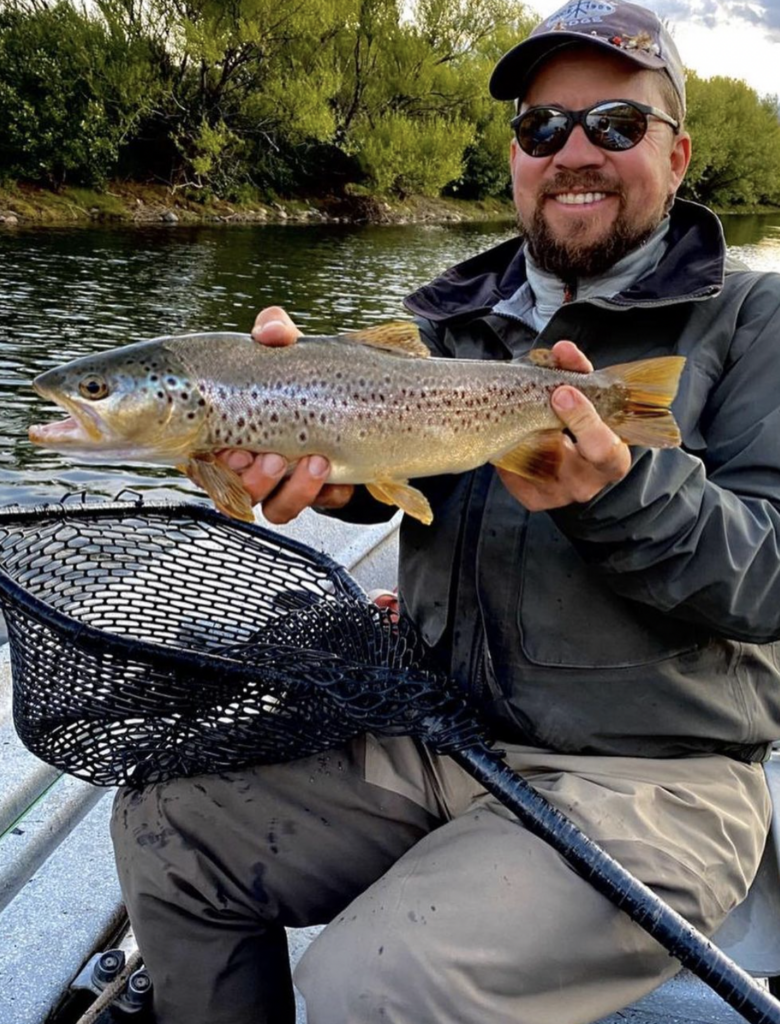
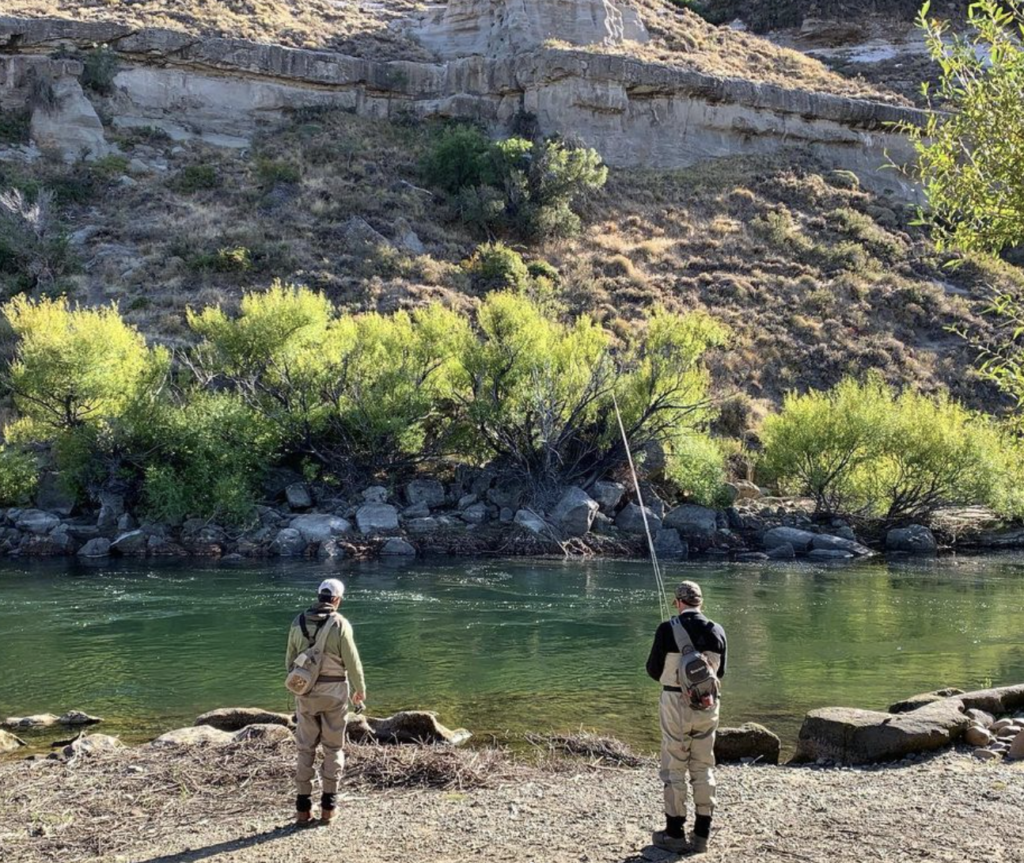
Best time for Fly Fishing Season
Patagonia is considered one of the world’s premier destinations for fly fishing. The region’s pristine rivers and lakes attract anglers from around the globe each year.
The fishing season usually runs from November through April, when water conditions and weather patterns are most favorable.
During these months anglers can explore remote rivers, mountain lakes, and beautiful Patagonian valleys while pursuing trout in some of the most scenic fishing environments in the world.
If you’re still deciding where to go, our guide to the best places to visit in Patagonia explains the different regions and what makes each landscape unique.
Crowds, Prices, and Patagonia Planning Tips
When planning the best time to visit Patagonia, it’s not only the weather that matters. Crowds, pricing, and availability of accommodations and guides can also influence your overall experience.
Because Patagonia is a remote region with limited infrastructure in some areas, the timing of your trip can make a noticeable difference in both comfort and logistics.
Understanding how demand shifts throughout the year can help travelers choose the right season and avoid unnecessary stress when planning their itinerary.
Summer (December–February) is Patagonia’s peak travel season. This is when the region receives the largest number of visitors, especially around the holidays and during January. Popular destinations like Torres del Paine, El Chaltén, and El Calafate can feel busier, and accommodations tend to book up months in advance.
Because of the demand, prices for hotels, guided excursions, and transportation are usually at their highest during these months. If you are planning to visit during peak summer, it’s important to reserve accommodations and activities well ahead of time.
Shoulder seasons, particularly March–April and October–November, often offer an excellent balance. The landscapes are still beautiful, the weather can be very pleasant, and there are generally fewer travelers. For many visitors, these months provide one of the most enjoyable ways to experience Patagonia.
Winter (June–August) is the quietest time of year in Patagonia. Some lodges and excursions pause their operations, particularly in remote areas, but travelers who enjoy snow-covered landscapes or winter sports may find this season especially appealing.
Regardless of when you travel, planning ahead is always a good idea. Patagonia’s distances are large, and travel logistics can require careful coordination between flights, transfers, lodges, and guided experiences.
If you are beginning to think about a journey through this remarkable region, you may also want to explore our Patagonia trips and our detailed Patagonia travel guide, where we share ideas on how to combine destinations and design a balanced itinerary.
Special Events and Seasonal Moments in Patagonia
Throughout the year, Patagonia also offers special seasonal moments that can add an extra dimension to your trip. These are not always major festivals, but rather natural cycles, local traditions, and unique experiences that shape the atmosphere of the region.
New Year’s Eve in Patagonia is one of the most popular travel periods. Many travelers choose to celebrate the new year surrounded by glaciers, mountains, and wide open landscapes. Towns such as El Calafate or Puerto Natales can feel lively and festive during this time, but early planning is essential because accommodations fill quickly.
Spring wildlife season is another highlight. As temperatures rise and daylight increases, many animals become more active. Whale watching along the Atlantic coast begins, and birdlife returns to many parts of the region.
Autumn color season is particularly special for travelers who appreciate landscapes and photography. Lenga forests turn brilliant shades of red and orange, creating one of the most dramatic seasonal transformations in Patagonia.
These seasonal rhythms give Patagonia its character. Depending on when you visit, the atmosphere can feel energetic and adventurous or quiet and contemplative.
Choosing the Best Time for a Well-Designed Patagonia Journey
The best time for a Patagonia journey depends not only on weather, but also on how the trip is structured. Many of the travelers we work with are not looking for extreme trekking or expedition-style travel. They are looking for something different: space, beautiful landscapes, thoughtful pacing, and meaningful experiences in nature.
For this type of journey, the shoulder seasons often offer the most rewarding experience. Late spring (October–November) and early autumn (March–April) bring fewer travelers, softer light for photography, and a quieter atmosphere across the region.
Summer (December–February) still offers the most reliable weather and the longest daylight hours, which makes it ideal for classic Patagonia experiences such as exploring Torres del Paine, walking the trails around El Chaltén, or visiting the Perito Moreno Glacier.
However, travelers who prefer a slower rhythm often find that March and April are particularly special. The forests turn shades of red and gold, the landscapes feel calmer, and the region regains a sense of scale once the peak summer crowds begin to fade.
In other words, the best time to visit Patagonia is not only about the season — it is about designing the journey in a way that allows the landscapes to unfold naturally..
If you’re curious how these journeys are thoughtfully designed — from routing and seasonality to lodge selection — you may enjoy reading our guide to Patagonia journeys designed with intention .
Because in Patagonia, timing matters — but the memories you create there last far beyond the season.
Frequently Asked Questions About Visiting Patagonia ✨
Here’s a quick guide to some of the most common questions we get about visiting Patagonia — and a few insider tips to help you start planning with confidence.
What months are best to visit Patagonia?
The best months to visit Patagonia are usually from November through March, when the Southern Hemisphere summer brings longer daylight hours, milder temperatures, and the best conditions for hiking, glacier excursions, and wildlife experiences. For travelers who prefer fewer crowds and beautiful fall colors, March and April can also be excellent.
Which Patagonia is better, Chile or Argentina?
Both sides of Patagonia are extraordinary, but they offer different experiences. Chilean Patagonia is known for dramatic fjords, Torres del Paine, and lodge-based exploration, while Argentine Patagonia is known for iconic glaciers, El Chaltén, and vast open landscapes. Ideally, combining both creates the most complete journey.
How many days do you need to visit Patagonia?
To experience Patagonia well, we usually recommend at least 7 to 10 days. That gives you enough time to explore one or two regions without rushing. If you want to combine both Chilean and Argentine Patagonia, a trip of 10 to 14 days often feels much more balanced.
What is high season in Patagonia?
Patagonia’s high season generally runs from December through February. These months offer the longest days and the widest access to hiking trails, lodges, and excursions, but they are also the busiest. If you plan to travel during this period, it is best to book accommodations and key experiences well in advance.
Ready to turn your Patagonian dreams into reality?
We can help you plan a custom trip to South America tailored to your interests, budget, and travel style. Whether you want to trek through Torres del Paine, explore the glaciers of Los Glaciares, or embark on a wildlife observation adventure, we’ll take care of all the details. From booking flights and accommodations to arranging tours and activities, we’ll make sure your Patagonian adventure is everything you’ve ever imagined.

Planning Patagonia isn’t hard — but it’s very easy to design poorly. The details that look “small” on a map (routing, lodge bases, pacing, transitions) are exactly what decide whether the trip feels effortless… or exhausting.
We are Clara and Maria, founders of Across South America. For nearly two decades, we’ve designed private Patagonia journeys for travelers who care about how the experience feels — not just what it includes.
If Patagonia is on your mind, a Strategy Session with us is the calm first step: we’ll map the right season, the best routing, and the lodge rhythm that matches your travel style.
Patagonia is easy to dream about — and easy to design wrong. A Strategy Session helps you choose the right season, routing, and lodge rhythm for how you like to travel.
Clara & Maria — founders of Across South America.

Maria Barciela
Hi, I’m Maria. I wrote this to help you plan your trip with clarity and ease.
Best Time to Visit Patagonia (2026 Month-by-Month Guide)
MEET US
Blog